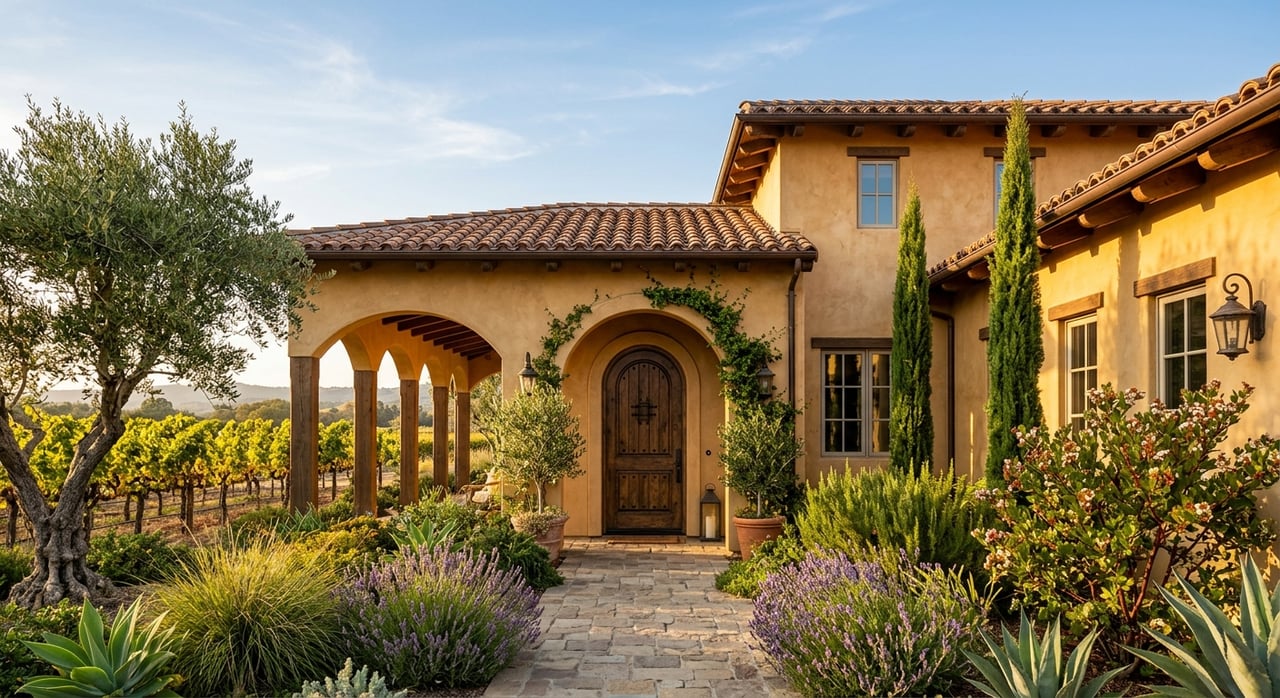
Wondering whether now is the right time to sell your Paso Robles vineyard or estate property? In a market shaped by wine-country tourism, seasonal vineyard cycles, and premium pricing, the answer is rarely as simple as “list in spring and wait.” If you want to protect value, attract the right buyer, and choose a timing strategy that fits your property and goals, it helps to look at both the market and the land itself. Let’s dive in.
Timing matters in Paso Robles
Paso Robles is not a one-size-fits-all market. With more than 40,000 vineyard acres, more than 200 wineries, and 11 AVAs, the region is highly diverse, and properties can present very differently depending on location, vineyard condition, views, access, and operations.
That matters because a vineyard or estate sale here is often about more than square footage. Buyers may be looking for a lifestyle property, an investment, an operating vineyard, or a legacy estate. In a region with 2.5 million annual visitors and a wine industry generating $2.8 billion in economic impact, your likely buyer pool can be broader than a typical residential sale.
Late spring is often the strongest window
If your timing is flexible, late spring usually makes the strongest overall case. National seller-timing data points to April and May as favorable listing periods, and in Paso Robles that timing often aligns with strong wine-country activity and fresh seasonal presentation.
Mid-May is especially notable because Paso Wine Fest brings significant attention to the region. When visitors are already touring wineries and exploring the area, a well-prepared estate or vineyard can benefit from that broader market visibility and buyer mindset.
Why spring works well
Spring tends to support both presentation and exposure. Vines and landscaping often look active, days are longer, and buyers are more likely to be out touring properties.
For many sellers, spring also provides enough runway to prepare marketing, complete staging, gather records, and position the property before summer. That preparation can make a major difference in a market where pricing discipline and clear property storytelling matter.
Summer can still be a smart option
If you miss the spring window, summer may still work well, especially for estate properties that photograph beautifully and show well in warm weather. Tourism remains an important part of the local economy, and Paso Robles continues to attract lifestyle-driven buyers through the season.
Summer can be especially useful if your property offers a strong visual experience. Long views, entertaining areas, mature landscaping, guest accommodations, and a polished arrival sequence can all be easier to market when the property is fully in use and easy to imagine.
Harvest season can help or complicate
Fall has real advantages, but it is more nuanced for active vineyards. Harvest Wine Month and related events bring energy, authenticity, and a compelling story for wine properties, especially if a buyer wants to understand the working side of the asset.
At the same time, harvest can be the busiest operational window of the year. Showings may be harder to schedule, access may be less convenient, and staging a clean, uninterrupted presentation can be tougher when crews, equipment, and fruit movement are active on site.
When harvest can be the right choice
Harvest may make sense if the operation itself is part of the value story. A buyer considering a productive vineyard or winery-related property may respond well to seeing the property during a live season.
Still, this strategy works best when the property can be shown safely, clearly, and without disrupting operations. If the day-to-day harvest pace makes that difficult, waiting until after the busiest period may lead to a smoother sale process.
Winter offers less competition, but also fewer buyers
Winter usually brings fewer new listings to the market. That can help your property stand out, especially if you want a more private listing environment or if your estate has strong year-round appeal.
The tradeoff is that winter often comes with a smaller active buyer pool. For a niche property like a vineyard, ranch, or luxury estate, that may mean a longer marketing runway unless the property is priced sharply and positioned with precision.
Market conditions can change the answer
Season is only one piece of the decision. Broader market conditions in San Luis Obispo County suggest a premium market, but not one where sellers can count on loose pricing or automatic bidding pressure.
Available county-level data shows median sale and listing prices around the low-to-mid $900,000s to about $1.05 million, with sale-to-list ratios near 99% to 100% and homes commonly taking more than a month to sell. The exact numbers vary by source, but the takeaway is consistent: buyers are active, yet realistic pricing still matters.
Mortgage rates still influence demand
Even for higher-value properties, financing conditions can affect the buyer pool. Freddie Mac reported the 30-year fixed mortgage averaged 6.55% as of July 16, 2026, while purchase demand had softened recently.
That does not mean premium properties cannot sell well. It does mean the financing-sensitive part of the market may move more carefully, which can make strategy, presentation, and pricing even more important.
The wine business is resilient, but selective
Paso Robles remains a strong wine destination, but recent PRWCA reporting shows a more selective environment. In 2025, direct-to-consumer revenue was down 2.1% year over year, visitation declined 4.5%, and tasting room sales fell 6.2%.
For sellers, that suggests buyers are still interested, but they may be more discerning about what they are buying. Properties that are easy to understand, well-documented, and thoughtfully marketed are likely to stand out more than properties that leave too many questions unanswered.
Your property type should guide your timing
A luxury estate and an operating vineyard do not always follow the same playbook. The best sale window depends on what the buyer is really purchasing.
Estate properties
If your property is primarily a luxury residence or lifestyle estate, the ideal timing often centers on presentation. You want the home, grounds, views, and outdoor living spaces to look their best while buyer activity is strong.
In many cases, that points to spring first and summer second. If privacy is a top priority, a more selective off-market approach or a quieter seasonal launch may also be worth considering.
Vineyard properties
If your property includes active vines, agricultural value, or winery-related infrastructure, timing becomes more operational. Buyers may care about farming history, block layout, access, water-related property details, and how the asset functions across the season.
In that case, the best list date is often the one that balances strong visual appeal with manageable operations. You want the property to tell a clear story without creating avoidable friction during showings and due diligence.
Decide what kind of sale you want
Before choosing a list date, it helps to define the result you want most. Sellers do not always have the same priority, and your timing should support your goal.
You may be aiming for:
- Maximum price through strong presentation and broad exposure
- Maximum privacy with a quieter or more targeted marketing plan
- A fast, clean exit with pricing and timing designed to reduce friction
- A seasonal story that highlights vineyard activity or estate lifestyle
Once your goal is clear, it becomes easier to choose between spring exposure, summer momentum, harvest storytelling, or a lower-competition winter strategy.
Start preparing earlier than you think
If you hope to sell in the next 12 to 36 months, the best next step is usually to begin planning well ahead of your target list date. Research suggests many sellers start thinking seriously about listing three to four months in advance, but vineyard and estate properties often benefit from an even earlier runway.
That extra time can help you prepare marketing materials, coordinate staging, line up vendors, and organize the details that sophisticated buyers want to review. For unique properties, early preparation often creates better options and fewer last-minute decisions.
Records to gather before listing
A strong sale process starts with clean information. For Paso Robles vineyard and estate properties, that may include:
- Property improvement details
- Recent maintenance records
- Vineyard block and planting information
- Production history, if relevant to the sale
- Tasting room or operational details, if applicable
- Information related to property rights, water rights, and rights to farm
- Surveys, maps, and other due diligence materials you already have
Having this material ready can help buyers understand the property faster and with more confidence.
Local expertise matters more with vineyards
Paso Robles is a specialized market. The region’s soils, climate variation, long growing season, and large day-to-night temperature swing make vineyard and estate properties especially site-specific.
That is why timing a sale here is not just about watching a calendar. It is about understanding how your property shows in a specific season, how operations affect access and marketing, and how to position the asset for the right buyer audience.
For sellers who want a thoughtful strategy, hands-on preparation, and polished exposure, working with a local brokerage that understands both the real estate side and the agricultural side can make a meaningful difference. If you are considering your next move in Paso Robles, Home and Ranch SIR can help you evaluate timing, presentation, and market strategy for your unique property.
FAQs
Is spring the best time to sell a Paso Robles vineyard or estate property?
- In many cases, yes. April and May often offer the best mix of buyer activity, strong presentation, and wine-country visibility, though the right timing still depends on your property type and goals.
Should you list a Paso Robles vineyard during harvest season?
- Harvest can create a compelling story for an active vineyard, but it can also make showings and operations more difficult to manage. It works best when the property can still be shown clearly and safely.
Do mortgage rates matter for luxury and vineyard buyers in Paso Robles?
- Yes. Even in the premium segment, higher mortgage rates can slow the financing-sensitive part of the buyer pool, which makes pricing and marketing strategy more important.
What should you prepare before selling a Paso Robles vineyard property?
- Start gathering property records, maintenance history, vineyard details, production information if relevant, and materials related to property rights, water rights, and rights to farm.
Is winter a bad time to sell a Paso Robles estate property?
- Not necessarily. Winter often brings less listing competition, but it usually also comes with fewer active buyers, so it tends to work best for properties with strong year-round appeal or sellers prioritizing privacy.
