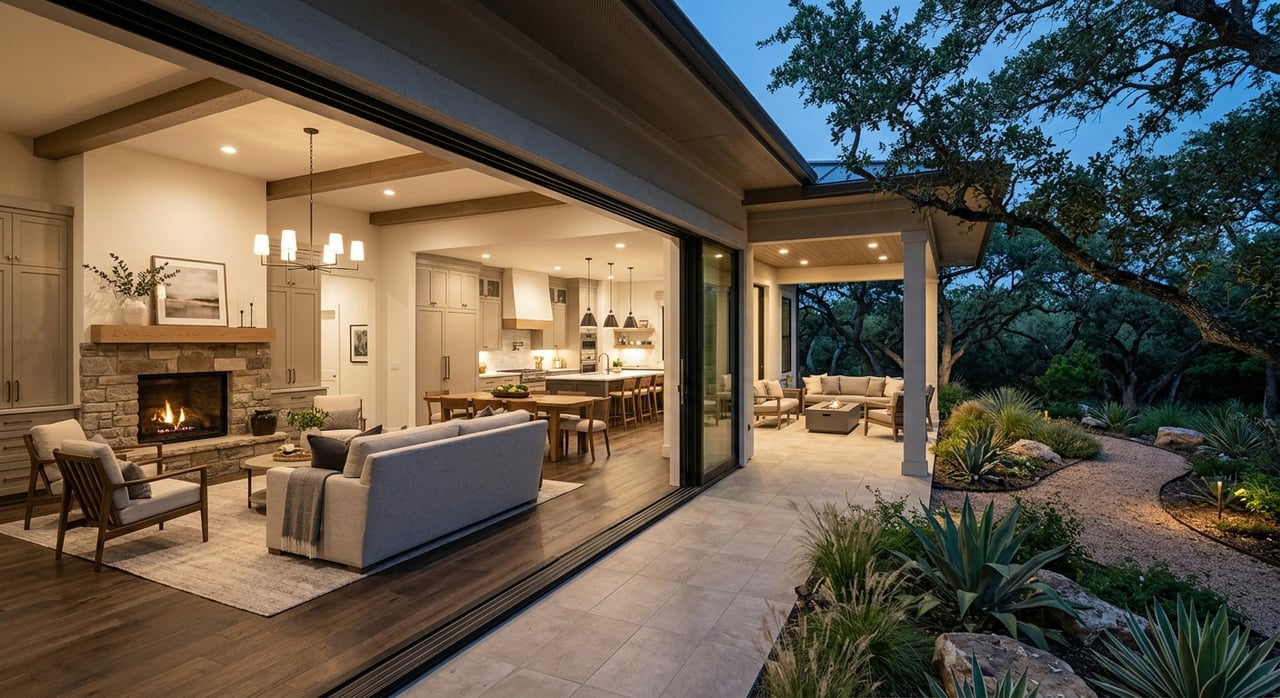
If you are weighing a newer home against a property with a little more land, Atascadero gives you both paths in one market. Some buyers want low-maintenance living near town, while others are drawn to oak-studded acreage, extra privacy, and a more rural feel. Understanding how Atascadero grows, and where that growth happens, can help you choose the setting that fits your lifestyle and long-term goals. Let’s dive in.
How Atascadero Growth Is Taking Shape
Atascadero’s housing pattern is shaped by two distinct planning environments. Inside city limits, recent development has focused within the Urban Services Line, with attention on new housing types, downtown reinvestment, and protection of hillsides and habitats.
Beyond that, the Urban Reserve Line serves as the city’s long-term development boundary. The city has stated that this boundary is intended to preserve rural character outside it, which helps explain why newer in-town projects and larger edge-of-town properties often feel like very different real estate choices.
Where New Construction Is Concentrated
Current approved and in-process residential and mixed-use projects are largely clustered along El Camino Real and in downtown-adjacent corridors. Projects on the city’s planning list include Ten850, La Plaza, Del Rio Marketplace, Emerald Ridge, Del Rio Ranch, and others.
For you as a buyer, that pattern matters. In many cases, newer construction inside the city offers proximity to shops, services, and main travel routes, while properties closer to the colony area or county edge tend to offer more space and a different pace.
What Newer In-Town Homes Often Offer
Newer construction in Atascadero is not always a traditional large-lot subdivision. The city uses Planned Development overlay zones in some projects, which allow development standards or processing procedures to differ from the underlying zoning when that better fits the site.
That flexibility can shape lot sizes, building placement, and overall neighborhood design. The city notes that setbacks can vary by lot and by whether a project is in a planned development, while typical single-family setbacks outside a PD are 25 feet from the front right-of-way, 5 feet on the sides, and 10 feet in the rear.
Ten850 Shows the Infill Trend
Ten850 is a strong example of the kind of newer product appearing in Atascadero. The city describes it as a 75-unit residential development on about 3.79 acres, with 48 senior apartments, 20 townhomes, and 7 single-family cottages.
The project also reflects a more compact approach to land use. According to the city, its planned development overlay allows smaller lot sizes than the underlying RMF-20 zoning would normally permit, which shows how newer in-town housing can prioritize location and design efficiency over acreage.
Design Review Shapes Neighborhood Feel
In Atascadero, new development does not happen without review. The Planning Division reviews new development and subdivisions for consistency with city policies, and the Design Review Committee evaluates architectural and aesthetic aspects of proposed projects.
Downtown projects also follow local design standards and guidelines. For you, that can translate into a more coordinated look and feel in newer corridor and downtown-adjacent developments than you might find in older, more varied residential areas.
Costs to Watch in Newer Neighborhoods
When you look at newer subdivisions or planned developments, the purchase price is only part of the equation. City records show that CC&Rs and similar maintenance mechanisms may be used to define responsibilities for common areas, access, parking, landscaping, fencing, and other shared features.
Some neighborhoods may also rely on an HOA or another city-approved maintenance structure. That means your total cost of ownership may include more than your mortgage, property taxes, and utilities.
Assessment Districts Can Affect Ownership Costs
Atascadero also has neighborhood assessment districts tied to certain areas. The city’s current district list includes Apple Valley, De Anza, and Las Lomas (Woodridge), with maintenance categories that include landscape and lighting, as well as street and storm-drain upkeep.
If you are comparing a newer home to a rural property, this is an important checkpoint. A newer neighborhood may offer shared infrastructure and organized upkeep, but it can also come with added ongoing costs.
Rural Estates Offer a Different Lifestyle
If your priority is space, privacy, room for animals, or a more open setting, rural and semi-rural properties around Atascadero may be a better fit. One of the clearest estate patterns is in the Atascadero Colony area south of the city and east of Highway 101.
San Luis Obispo County describes this area as rolling grasslands with scattered oaks, with property sizes ranging from one to ten acres. The county also states that minimum parcel size for new lots there is 2.5 acres, specifically to preserve open space, animal keeping, and rural character.
Not All Acreage Works the Same Way
The phrase “rural estate” can mean very different things around Atascadero. County land-use categories around the area range from Residential Suburban at about 1 to 5 acres, to Residential Rural at about 5 to 20 acres, and Rural Lands at about 20 to 320 acres.
That matters because a 2.5-acre colony parcel, a 5-acre homesite, and a much larger holding can each deliver a rural feel, but they may differ sharply in utility setup, maintenance, and how you use the land day to day.
Utilities Are a Major Decision Point
One of the biggest differences between new construction and rural property is utility infrastructure. The city says sewer service covers about half of Atascadero residents and most businesses, while the remainder use privately owned and maintained on-site septic systems.
The city also notes that Atascadero Mutual Water Company serves the area, and electricity is delivered by PG&E with 3CE as the alternate service provider. If you are considering a semi-rural neighborhood or larger parcel, utility verification should be one of your first due diligence steps.
Roads and Access Matter More on Acreage
Road maintenance can vary significantly depending on where a property sits. The city owns and maintains about 150 centerline miles of public roads, and it also funds ongoing pavement rehabilitation for neighborhood streets through Measure F-14.
At the same time, not every road you encounter will be city-maintained. The city notes that its cold-mix asphalt is for publicly owned, non-city-maintained roads only, not private driveways, which is a useful reminder that access and upkeep can work differently on older edge-of-town and rural properties.
Responsibility Can Shift by Location
The right-of-way is another practical issue worth checking before you buy. Atascadero states that property owners are responsible for maintaining the area around their property, including roadway-adjacent sidewalks, curbs, and drainage, and the city requires encroachment permits for work affecting the public right-of-way.
On the county side, the Cooperative Road Improvement Program helps residents upgrade unpaved county-maintained roads to pavement or county standard, with costs repaid through property-tax assessments. If you are buying a larger parcel or a home on a shared or less-improved road, these details can affect both budget and convenience.
Why Atascadero May Stay Selective
Atascadero’s long-term growth pattern appears likely to remain focused rather than sprawling. The draft 2045 General Plan points toward new housing types, downtown reinvestment, and development inside the Urban Services Line, while the city’s policy direction states that expansion beyond the Urban Reserve Line is inconsistent with the plan.
The city has also said it will work with the county to maintain rural residential, agricultural, and open space uses beyond that line. For buyers and sellers, that supports the idea that Atascadero’s future may continue to balance selective infill with protection of the area’s rural edges.
Established Areas Can Still Evolve
Even if you prefer an older single-family area, it is worth knowing that change can still happen over time. The city’s property rules allow detached, attached, and conversion ADUs on single-family lots, and qualifying parcels may be considered for two-unit development and urban lot splits under SB 9 standards.
That does not mean every street will transform quickly. It does mean that established neighborhoods can evolve gradually, which is helpful to keep in mind when comparing a tightly planned new community with an older ranch-style street or a larger estate parcel.
How to Choose the Right Fit
If you want easier access to town, a more coordinated neighborhood setting, and potentially lower land-maintenance demands, newer in-town construction may be the better match. You may trade lot size for convenience, shared amenities, and a more structured development pattern.
If you want room to spread out, more privacy, and a stronger connection to Atascadero’s rural landscape, semi-rural and estate properties may offer more of what you are looking for. In return, you may need to pay closer attention to utilities, road access, maintenance responsibilities, and the realities of managing more land.
Atascadero works well for buyers because it offers both. The key is knowing which tradeoffs matter most to you before you start touring properties.
Whether you are comparing a new in-town home, a colony parcel, or a larger rural holding, local context matters. The team at Home and Ranch SIR brings deep Central Coast experience in homes, land, estates, and lifestyle properties to help you evaluate the details that truly shape value.
FAQs
What is the main difference between new construction and rural estates in Atascadero?
- Newer in-town construction is generally concentrated within the city’s growth areas near main corridors, while rural estates and semi-rural properties typically offer more land, different utility setups, and a more open setting.
Are newer neighborhoods in Atascadero likely to have extra ownership costs?
- Yes. Some newer subdivisions and planned developments may include CC&Rs, HOA-type maintenance structures, or neighborhood assessment districts that add to your ongoing ownership costs.
What should you verify before buying a rural property around Atascadero?
- You should confirm utilities, septic or sewer service, water service, road maintenance responsibility, and access conditions, since these can vary widely by location and parcel type.
Where are larger estate-style properties most common near Atascadero?
- One well-known pattern is in the Atascadero Colony area south of the city and east of Highway 101, where the county describes rolling grasslands, scattered oaks, and parcels that can range from one to ten acres.
Is Atascadero expected to keep growing outward?
- Current city planning direction points toward development inside the Urban Services Line and continued protection of rural character beyond the Urban Reserve Line, suggesting more selective infill than broad outward expansion.
